Have questions, need assistance, or just want to chat? Our team is here for you. Dial our direct line and connect with us instantly. Your inquiries are important to us, and we’re ready to provide the support you need. Reach out today—we’re just a call away!
Those who have been exposed to Paraquat, whether through work or regular contact and subsequently developed Parkinson’s disease or related symptoms diagnosed by a certified neurologist may qualify for compensation through a Paraquat lawsuit.
Paraquat, also known as Gramoxone, is a widely used industrial herbicide known for its significant hazards. Even minimal exposure, whether through inhalation or skin contact, can be fatal, with no known antidote, as cautioned by the Environmental Protection Agency (EPA). Exposure to Paraquat has been linked to the development of Parkinson’s disease in the years following exposure, leading to an increase in lawsuits against Paraquat manufacturers.
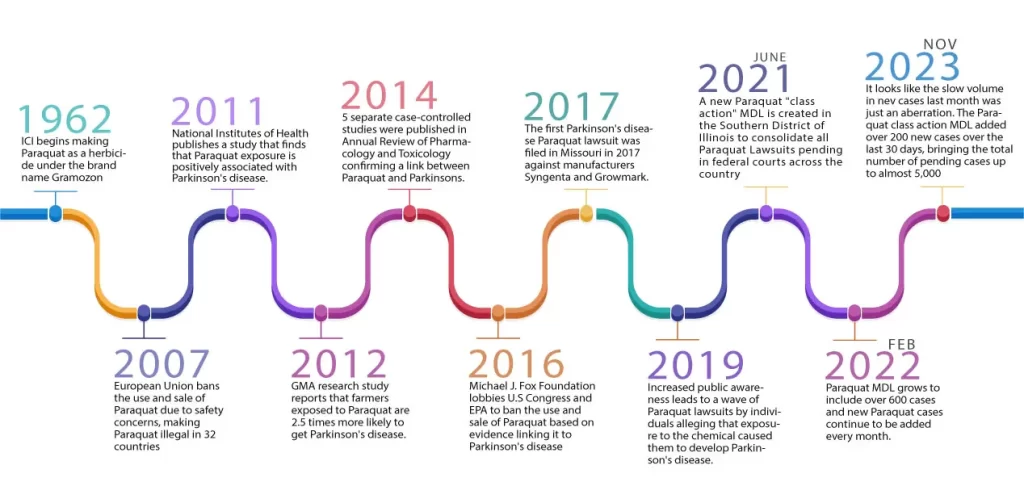
The alarming risks associated with Paraquat have led to its prohibition or phased withdrawal in 32 countries, including major markets like China, the European Union, and Brazil. While still permitted for commercial use in the United States, regulatory restrictions have been imposed due to its toxicity.
Recent studies have highlighted the connection between Paraquat exposure and an increased likelihood of Parkinson’s disease development, with exposed individuals being up to 2.5 times more susceptible.
Despite mounting evidence of its dangers, companies like Syngenta and Growmark continue to produce and distribute Paraquat, with annual global sales exceeding $640 million.
Originally registered as an herbicide in 1964, Paraquat is primarily used to control weeds in various agricultural and non-agricultural settings. It is also sometimes used on illicit marijuana crops in the United States and Mexico, posing risks to consumers who may unknowingly ingest contaminated products.
In the United States, farmers use over 8 million pounds of Paraquat annually across a range of crops.
No, Monsanto’s Roundup does not contain Paraquat; its active ingredient is glyphosate. While glyphosate exposure has been associated with non-Hodgkin’s lymphoma, experts have established a connection between Paraquat exposure and Parkinson’s disease
Attorney Advertisement: Do not rely on this advertisement in making any medical decision. Please call your physician before making any medical decision, including altering your use of any drug. This advertisement is not intended as a testimonial or endorsement, and does not constitute a guarantee, warranty, or prediction regarding the outcome of your legal matter, either express or implied. Non-attorney spokesperson. Anyone considering a lawyer should independently investigate the lawyers’ credentials and ability, and not rely upon advertisements or self-proclaimed expertise. Court costs and expenses may be the responsibility of the client. Wagstaff Law Firm, 940 N. Lincoln Street, Denver, Colorado 80203. Attorneys are licensed in Colorado, California, Illinois, Missouri, and New York, and may affiliate with attorneys located in other states. Cases will not be accepted in states where attorney solicitation is prohibited.
Thousands across the nation have found justice. Discover how we can assist you on your path toward justice.
Have questions, need assistance, or just want to chat? Our team is here for you. Dial our direct line and connect with us instantly. Your inquiries are important to us, and we’re ready to provide the support you need. Reach out today—we’re just a call away!

The EPA implemented restrictions on paraquat in 2016 to mitigate accidental ingestion and minimize exposure among workers involved in its handling. These restrictions include:
In October 2020, the EPA proposed additional measures to safeguard human health and the environment, such as prohibiting certain application methods and implementing restricted entry intervals.
Who is at risk for paraquat exposure?
Given its stringent restrictions, those most at risk of exposure include:
Since 1997, the EPA has identified preparation, application, and post-application as primary exposure routes. Protective measures, including chemical-resistant gloves, respiratory protection, and safety glasses, are mandated for those handling paraquat.
While paraquat is not intended for household use, individuals residing near farms where it’s employed face potential exposure. Research has linked proximity to paraquat use with an increased risk of Parkinson’s disease, particularly among those with farming backgrounds or pesticide exposure history.
Paraquat, produced by various agrichemical firms, is marketed under different brand names. One prominent brand in the U.S. is Gramoxone SL 2.0 Herbicide, manufactured by Syngenta, a Swiss-based agrichemical corporation. Chevron Corporation initially held paraquat sales rights in the 1960s through an agreement later acquired by Syngenta.
Research has linked both paraquat and another common weed killer, Maneb, to increased Parkinson’s disease risk. A 2018 study by the University of Guelph in Ontario examined this association and found that low-level exposure to these pesticides disrupts cells similarly to mutations known to cause Parkinson’s disease. The combination of chemical exposure and a predisposition to Parkinson’s significantly heightens disease risk, the researchers concluded.
A 2019 systematic review of paraquat-related literature revealed a 25% higher occurrence of Parkinson’s in individuals exposed to the herbicide, with increased risk for longer exposures.
In a comprehensive study examining 31 pesticides and their association with Parkinson’s risk, paraquat emerged as one of the most concerning weed killers. It induces oxidative stress and cellular damage, a common mechanism underlying nerve cell death in Parkinson’s.
Another study found that individuals exposed to paraquat during their teens to young adulthood faced a 200% to 600% increased risk of developing Parkinson’s, depending on exposure duration.
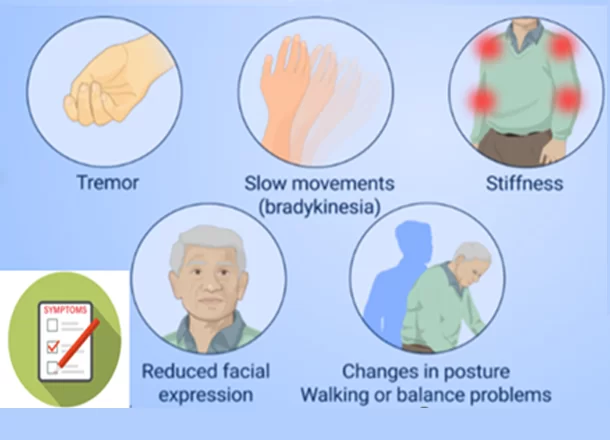
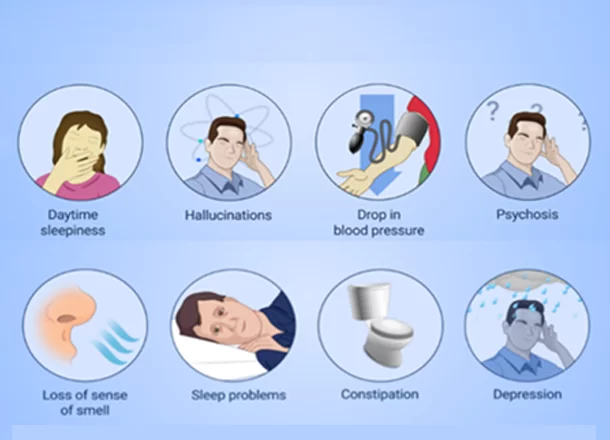
Parkinson’s disease is a progressive nervous system disorder that affects movement, with symptoms starting gradually and worsening over time. As the disease progresses, individuals may encounter difficulties in walking and talking, alongside mental and behavioral changes, sleep problems, depression, and memory difficulties. Although there is no cure for Parkinson’s disease, medications and occasionally brain surgery can help alleviate symptoms.
Parkinson’s is attributed to the breakdown and death of specific nerve cells in the brain, known as neurons. The loss of neurons producing dopamine, crucial messengers, is implicated in many symptoms. The exact cause remains a mystery, although researchers believe genetic mutations, environmental factors, and specific brain changes may contribute to the development of Parkinson’s disease.
Paraquat exposure can occur through ingestion, skin contact, or inhalation, potentially leading to paraquat poisoning.
Ingesting paraquat causes rapid symptoms of paraquat poisoning, including pain, swelling, immediate damage to the mouth, throat, and intestines, abdominal pain, and vomiting. Subsequent distribution of the herbicide in the body triggers toxic chemical reactions, primarily in the lungs, liver, and kidneys. Lung scarring and failure of the heart, kidneys, and/or liver may develop within days to weeks, with long-term or permanent lung damage and potential damage to other organs in survivors, although rare in cases of large ingestions.
Skin exposure is most likely to cause harm with prolonged exposure, concentrated versions of paraquat, or contact with broken skin, such as sores, cuts, or severe rashes.
Inhaled paraquat can cause lung damage, potentially affecting the sense of smell. Prolonged exposure, as observed in laboratory mice studies, can result in the loss of at least some sense of smell, an early indicator of Parkinson’s disease.
April 1, 2024 – Decline in New Cases
Monthly new case volume in the Paraquat MDL continues to slow down. March saw only 47 new cases added, following a spike in February. Since January, approximately 300 new cases have been filed.
March 26, 2024 – Filtering Out Weak Lawsuits
Concerns arise about poorly vetted Paraquat lawsuits flooding the MDL. The judge is taking proactive steps to dismiss cases lacking merit, which benefits plaintiffs with strong claims, streamlining the docket.
March 22, 2024 – Confidential Settlement Revealed
Syngenta settled under-the-radar lawsuits in Illinois state court in 2017, totaling $187.5 million, highlighting early attempts to avoid public scrutiny.
March 19, 2024 – New Lawsuit Filed
A Colorado resident files a lawsuit after prolonged Paraquat exposure, alleging it led to Parkinson’s disease diagnosis in 2022. With direct contact to Paraquat, the plaintiff’s case appears robust.
March 12, 2024 – Daubert Ruling Awaited
Despite delays, initial trials remain on hold as the court evaluates case viability. Concerns arise about cases with indirect Paraquat exposure, highlighting the judge’s focus on substantiated claims.
March 1, 2024 – Surge in New Cases
After a slowdown, 241 new cases were added to the Paraquat MDL, bringing the total count to 5,318.
February 28, 2024 – Editorial on Pesticides
The New Republic editorial critiques lax pesticide regulations, emphasizing the persistent health risks posed by chemicals like Paraquat.
February 13, 2024 – EPA Stands by Paraquat Approval
Despite scientific evidence, the EPA reaffirms Paraquat approval, raising questions about its impact on ongoing lawsuits.
February 12, 2024 – Dismissal of Incomplete Claims
The court dismisses 60 Paraquat lawsuits due to incomplete Plaintiff Assessment Questionnaires, highlighting the importance of robust claims.
February 2, 2024 – Slowing Pace of New Cases
Monthly additions to the Paraquat MDL decrease significantly, with only 21 new cases in January.
January 23, 2024 – Docket Clean-Up
The court addresses implausible Paraquat exposure claims, ordering limited discovery to assess case viability.
January 15, 2024 – MDL Case Count Decrease
The Paraquat MDL sees a decrease in cases, with plaintiffs’ lawyers continuing to file new lawsuits despite the slowdown.
January 1, 2024 – Year-End Recap
The final week of 2023 sees a minor increase in Paraquat MDL cases, reflecting ongoing litigation activity.
December 18, 2023: New Paraquat cases have significantly declined, with only 86 added in the past month, marking the lowest volume in two years. Total cases now reach 5,072.
November 16, 2023: Despite a brief slowdown, another 200 cases were added to the Paraquat MDL, bringing the total to 4,986.
October 17, 2023: Monthly Paraquat case volume sharply drops, raising questions about future litigation trends.
October 2, 2023: Uncertainty looms over the Paraquat lawsuits as Daubert challenges delay trial proceedings, possibly until 2024.
August 21, 2023: The crucial Daubert hearing begins, pivotal for the future of the Paraquat litigation.
August 16, 2023: Paraquat MDL sees a surge in new lawsuits, totaling over 4,552 pending cases.
August 15, 2023: Scheduled hearing to assess scientific merit of Paraquat claims could influence potential settlements.
August 1, 2023: Daubert challenges in the Paraquat MDL expected to conclude soon, possibly leading to a ruling by October.
July 18, 2023: New Paraquat cases slightly decrease, hinting at a potential slowdown in filings.
June 25, 2023: Paraquat MDL adds 353 new plaintiffs, reaching a total of 4,083 pending claims.
May 20, 2023: Paraquat lawsuits surge, adding over 500 new cases in the past month.
March 27, 2023: Defense targets expert witnesses in Paraquat lawsuits, challenging scientific evidence.
March 16, 2023: Paraquat MDL experiences above-average new case filings for the second consecutive month.
March 5, 2023: Documents suggest Syngenta’s awareness of Paraquat’s health risks, fueling litigation.
February 17, 2023: New Paraquat lawsuits spike, signaling continued high volume in litigation.
January 17, 2023: Over 200 new Paraquat cases opened, contributing to a total of 2,352 pending cases.
January 6, 2023: Paraquat lawsuit expands with new claims, including wrongful death actions.
January 5, 2023: Study highlights additional health risks of Paraquat exposure, beyond Parkinson’s disease.
January 2, 2023: Paraquat litigation sees significant growth, with over 200 new cases per month on average.
December 19, 2022: The first bellwether trial in the Paraquat MDL has been postponed to October 2023.
November 7, 2022: Nearly 100 new Paraquat Parkinson’s disease lawsuits have been transferred into the MDL in the last two weeks.
September 30, 2022: The EPA responds to a challenge on Paraquat’s interim approval status, potentially impacting the litigation.
September 15, 2022: The Paraquat MDL witnesses significant growth in pending lawsuits, especially from California.
September 5, 2022: Limited fact discovery initiated for 20 additional cases in the Paraquat MDL.
August 25, 2022: The first trial date in the Paraquat MDL is pushed back to July 2023.
August 16, 2022: 255 new Paraquat cases are added to the MDL, continuing the upward trend.
July 20, 2022: The Paraquat MDL now includes 1,148 plaintiffs.
July 4th, 2022: 142 new Paraquat lawsuits are added to the federal class action, bringing the total to 1,292.
June 9, 2022: Discovery deadlines extended for the first bellwether trials in the Paraquat MDL.
May 16, 2022: Record numbers of new Paraquat lawsuits filed, contributing to over 1,150 plaintiffs in the MDL.
May 11, 2022: The Biden administration’s stance on pesticide preemption impacts Paraquat litigation.
May 4, 2022: Six cases selected for initial bellwether trials in the Paraquat MDL.
April 19, 2022: The MDL now comprises 982 Paraquat lawsuits alleging Parkinson’s disease.
April 12, 2022: Forty-four new Paraquat lawsuits filed within 12 days, indicating ongoing litigation activity.
April 1, 2022: Monthly status conference addresses the growing size of the Paraquat MDL and upcoming trial selection.
April 8, 2022: Paraquat banned in Fuji.
Individuals who have been exposed to Paraquat and subsequently developed Parkinson’s disease or other related health conditions may be eligible to file a lawsuit. Exposure can occur through various means, including agricultural work, industrial use, or residential use.
Determining whether health issues are linked to Paraquat exposure typically involves consulting medical professionals and conducting diagnostic tests. Individuals experiencing symptoms such as tremors, difficulty with movement, or other neurological symptoms should seek medical evaluation.
Evidence supporting a Paraquat lawsuit claim may include medical records documenting the diagnosis of Parkinson’s disease or other health conditions, evidence of Paraquat exposure, such as employment history or witness testimony, and expert opinions linking Paraquat exposure to the development of the plaintiff’s health issues.
Yes, there are time limits, known as statutes of limitations, for filing Paraquat lawsuits. These time limits vary by state and typically range from one to several years from the date of injury or diagnosis. It’s crucial to consult with an attorney to determine the applicable statute of limitations for your case.
Damages sought in a Paraquat lawsuit may include compensation for medical expenses, lost wages, pain and suffering, loss of consortium, and other related damages. The specific damages available will depend on the circumstances of each case and applicable state laws.
Individuals affected by Paraquat exposure can seek legal assistance by consulting with experienced attorneys specializing in toxic tort and product liability litigation. These attorneys can evaluate their case, provide guidance on legal options, and advocate for their rights in pursuing compensation for their injuries.